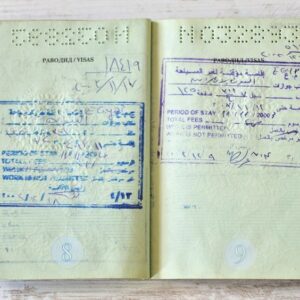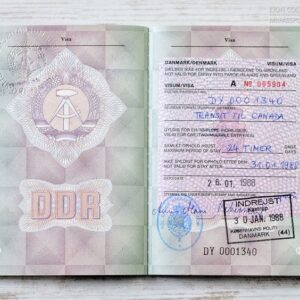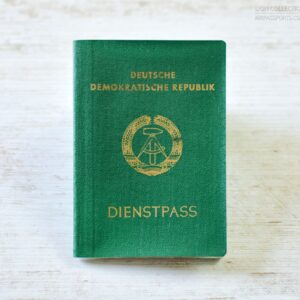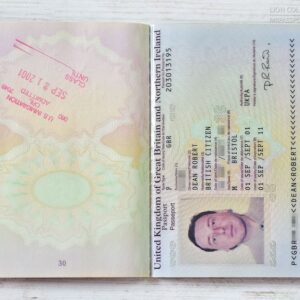
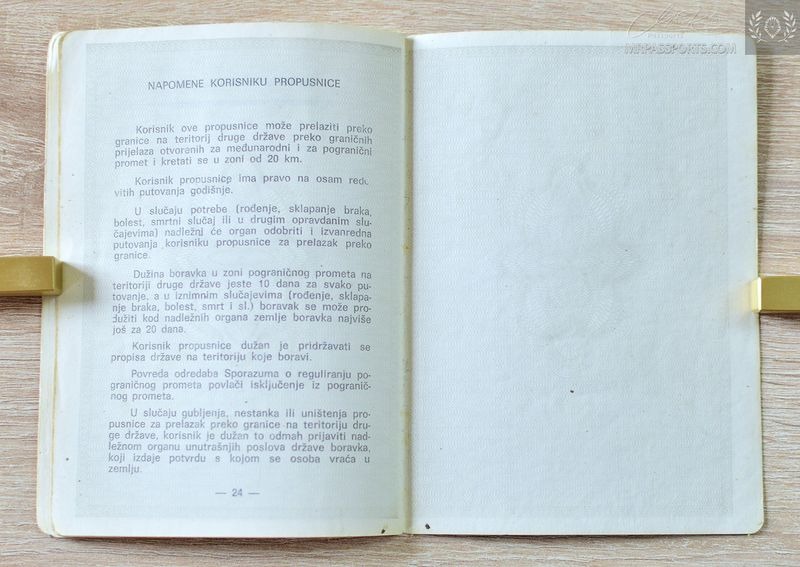
socialist Yugoslavia passport
socialist Yugoslavia passport, Book an Appointment: Schedule an appointment through the online booking system.
-
Provide Proof of Citizenship: You must prove your Hungarian citizenship with one of the following documents :
- Valid Hungarian ID card
- Valid Hungarian passport
- Hungarian passport that has expired within the last year
- Valid certificate of citizenship
- Certificate of naturalization
-
Bring Required Documents: Be sure to bring all necessary documents to your appointment. If you fail to prepare your application properly, you may be advised to book a new appointment and return later.
-
Minors: For children under age 18, both parents must be present. If one parent cannot attend, they must provide a notarized consent letter.
Additional Information ;socialist Yugoslavia passport
-
The passport application process takes approximately 4-6 weeks, including delivery.
-
Passport validity depends on the applicant’s age :
- Under 6 years of age: 3 years
- 6-18 years of age: 5 years
- Over 18 years of age: 5 or 10 years (upon request)
-
Hungary issues biometric passports with electronically scanned fingerprints for applicants aged 12 years and older.
-
If your previous passport was stolen, bring the police report or reference number.
-
Fees vary based on the passport’s validity length and, for minor applicants, the number of children in the family. Payment is typically by credit card only
-
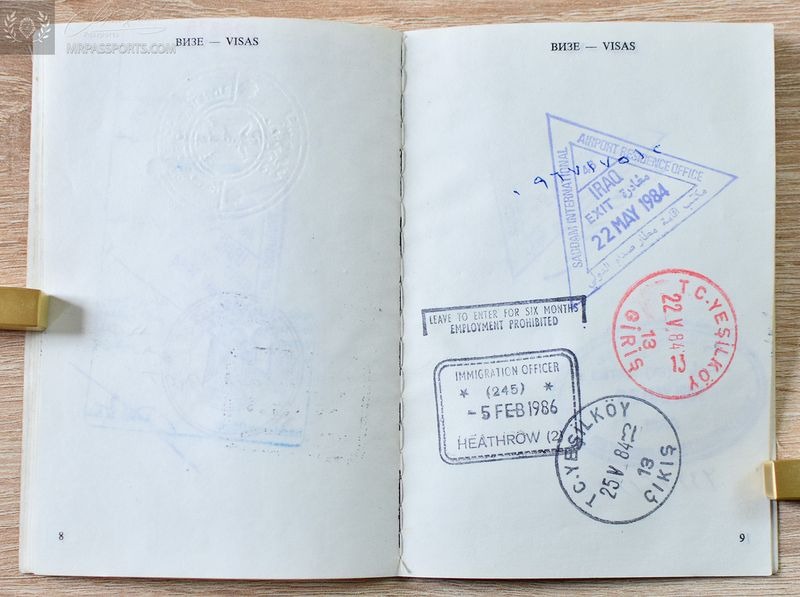
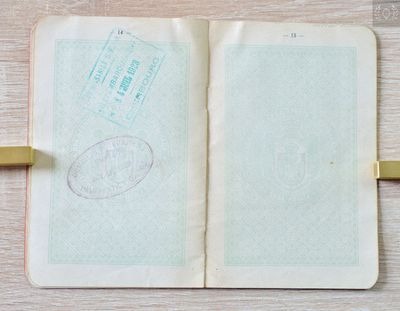
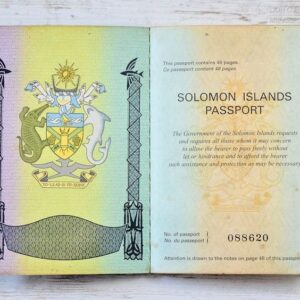
Key Features of the Socialist Yugoslavia Passport
- International Mobility: It allowed relatively free travel through both Eastern and Western countries, a rare privilege during the Cold War.
- Employment Opportunities: Immigrants with Yugoslav passports found it easier to secure jobs in European firms trading with the East.
- Internal Variations: Each constituent republic or autonomous province within Yugoslavia maintained its own citizen registry and issued slightly different passports. For example, passports issued in SR Macedonia were printed in Macedonian and French, while those from the Socialist Autonomous Province of Kosovo were in Albanian, Serbo-Croatian, and French.
- Post-Breakup: After the breakup of Yugoslavia, new passports were issued in accordance with the law on travel documents of Yugoslav nationals, effective from July 26, 1996. These passports were navy blue with golden inscriptions in Serbian, English, and French.
- Expiration: All passports issued by the SFR Yugoslavia became invalid on January 1, 2002. Passports issued by the Federal Republic of Yugoslavia were invalid after December 31, 2011