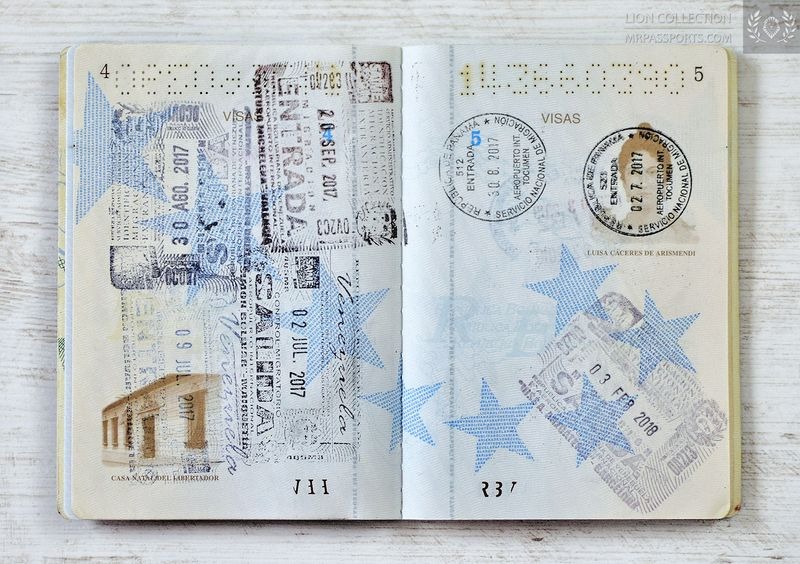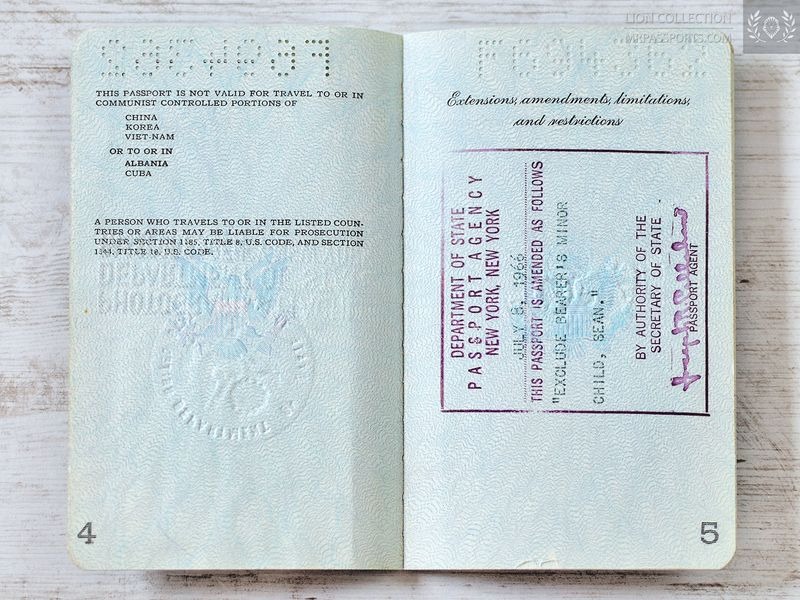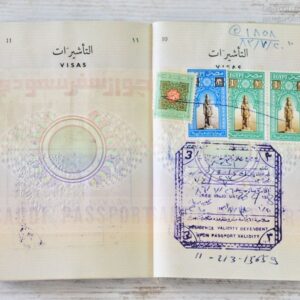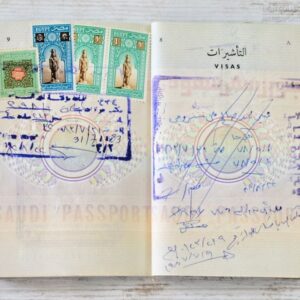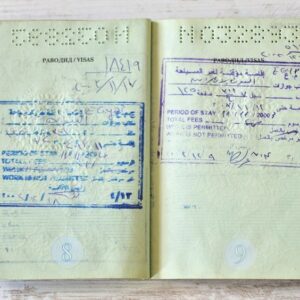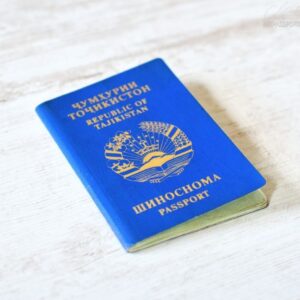
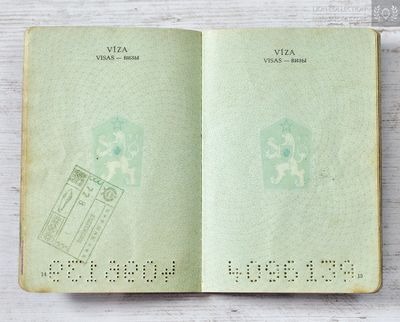
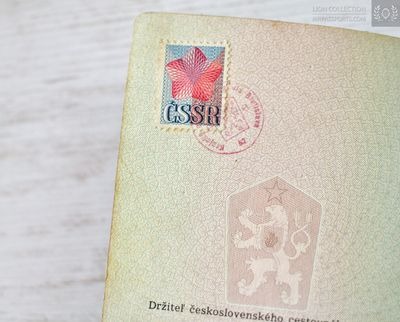
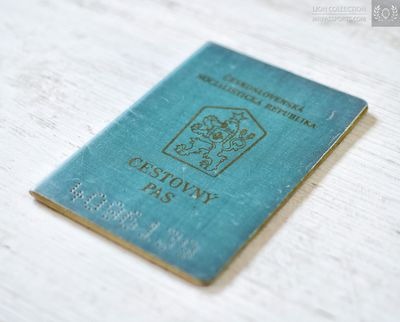
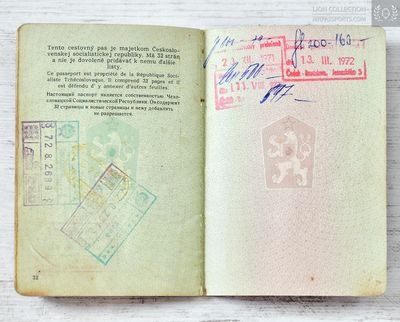
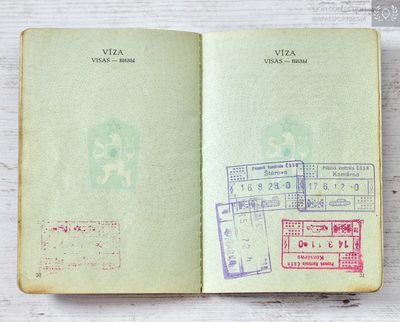
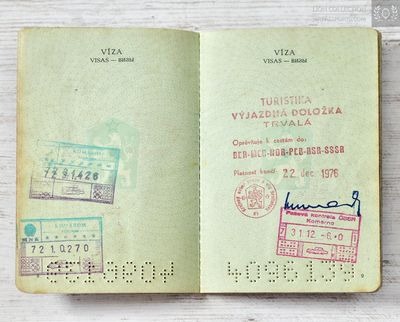
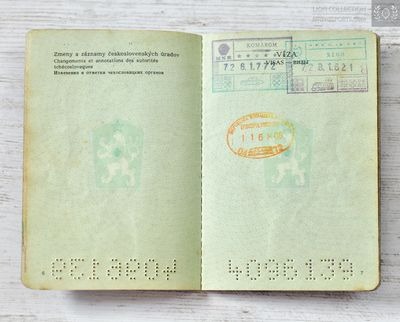
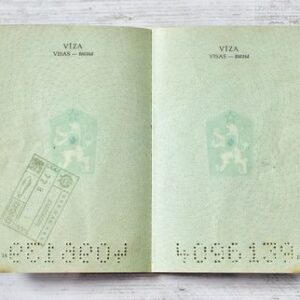
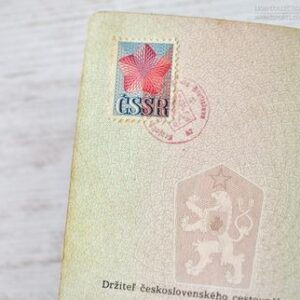
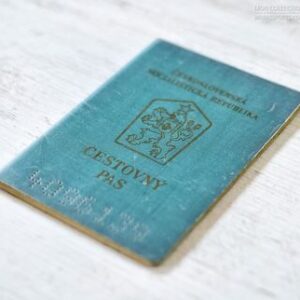
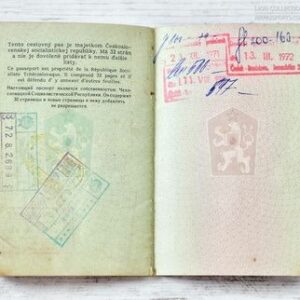
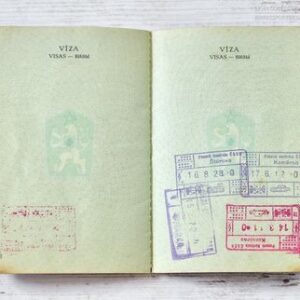
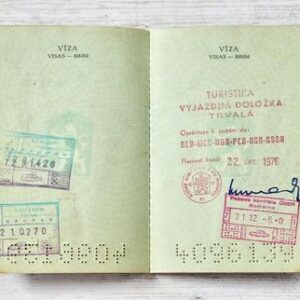
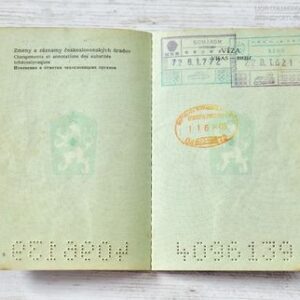
A Czechoslovak passport issued between 1971 and 1976 in Bratislava would have been a document issued to a citizen of Czechoslovakia for international travel during that period. Bratislava was the capital of the Slovak Socialist Republic, one of the two constituent republics within Czechoslovakia.
Passport Issuance and Regulations
During the communist era, particularly after 1948, travel abroad was heavily restricted for Czechoslovak citizens.
- Exit Visas: From 1948, citizens needed an exit visa to leave the country. Although temporarily suspended, this requirement was reinstated, and by 1951, passports were largely confiscated, requiring citizens to apply for permission to have them reissued.
- Travel Restrictions: Travel to countries outside the Eastern Bloc was extremely difficult, as Czechoslovak identity cards were only valid for travel within the “Iron Curtain,” and obtaining a passport through official channels was nearly impossible.
- Loosening of Regulations: In 1963, citizens were allowed to visit relatives in the West, and a 1965 act introduced a more liberal passport issuance process.
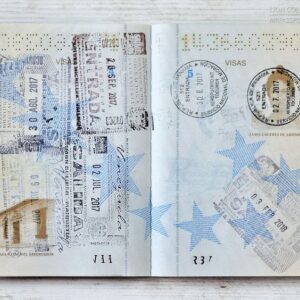
- Leaving Appendices: To exit the republic, a person needed a leaving appendix to his visas. This leaving appendix was in fact a stamp in a passport which stated where and for long is the person allowed to travel.
Requirements for Leaving the Republic
To legally leave Czechoslovakia, citizens typically needed to navigate a complex bureaucratic process :
- Leaving Appendix: A stamp in the passport indicating the permitted destination and duration of travel.
- Foreign Exchange Promise: Written permission from a bank to exchange Czechoslovak crowns for foreign currency, which was often difficult to obtain without party connections.
- Scrutiny: Regular citizens faced detailed inspections, and applications from those deemed “unreliable” were often denied.