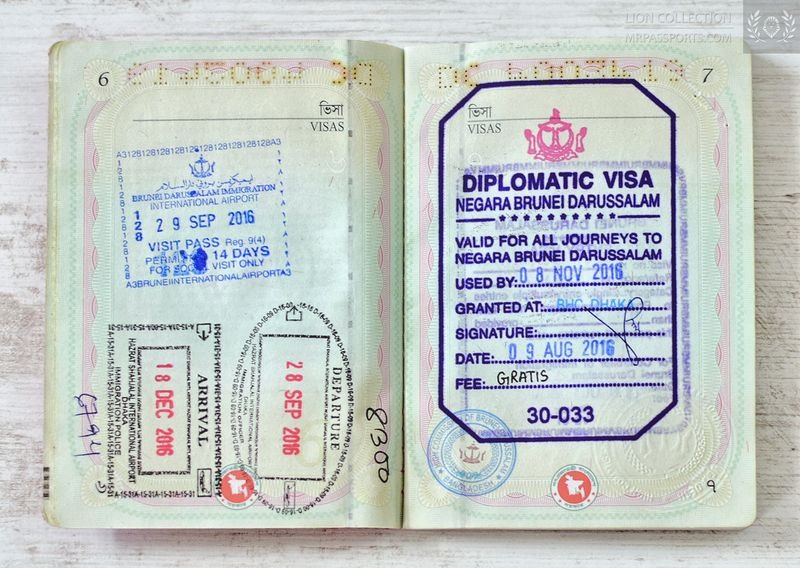
South Africa passport for sale
South Africa passport for sale ,South African passports were issued by the Union government (1910–1961), under British Commonwealth administration. Key features and context:
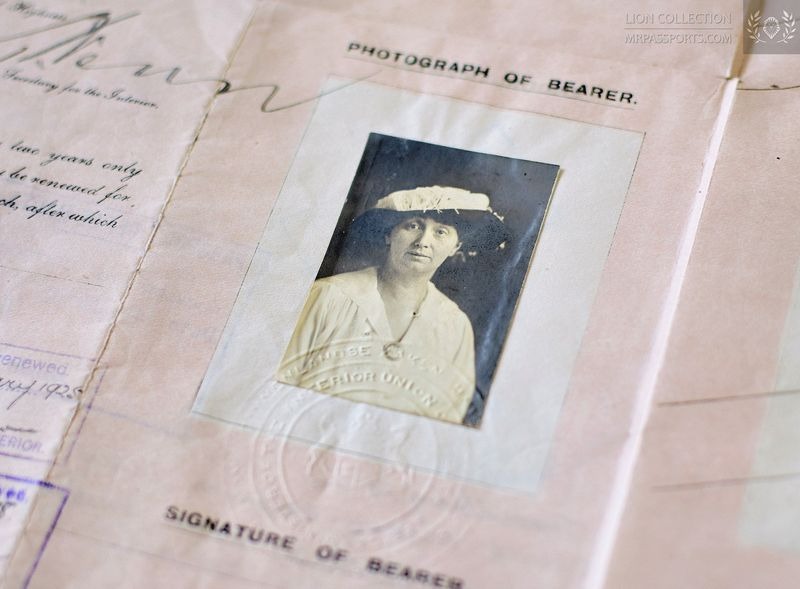
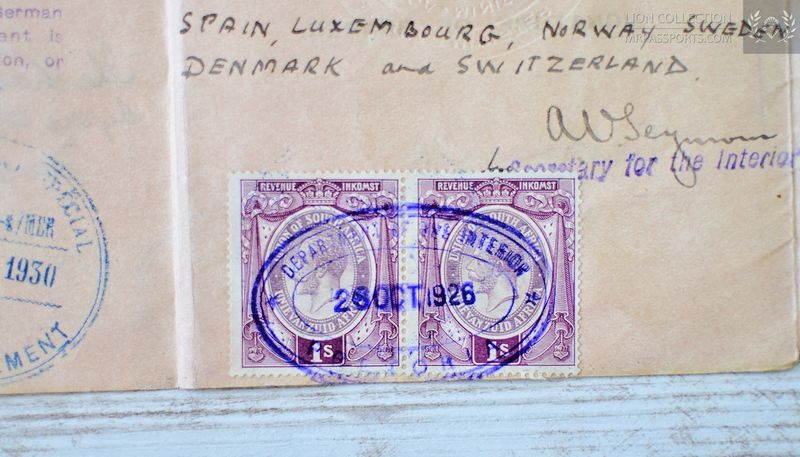
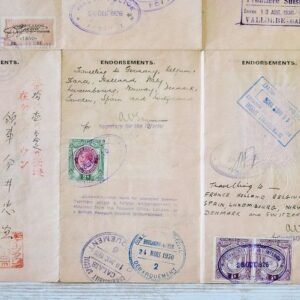
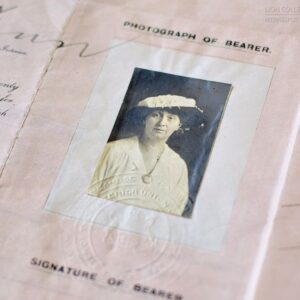
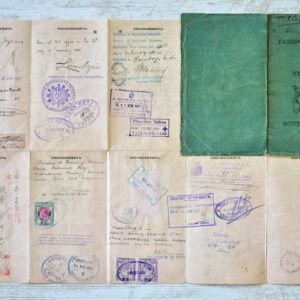
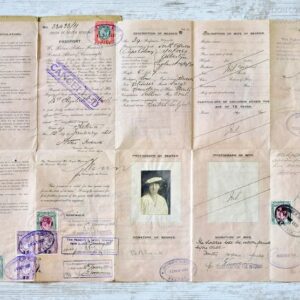
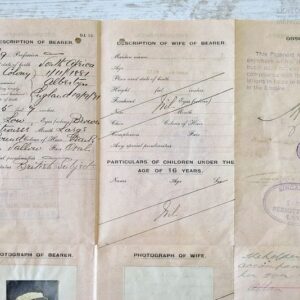
This South Africa passport replica is a high-quality collectible and historical reproduction created for passport collectors, museums, filmmakers, educators, and display purposes. It replicates the visual design of authentic South African travel documents while clearly remaining a non-government-issued novelty item.
Passport Characteristics
-
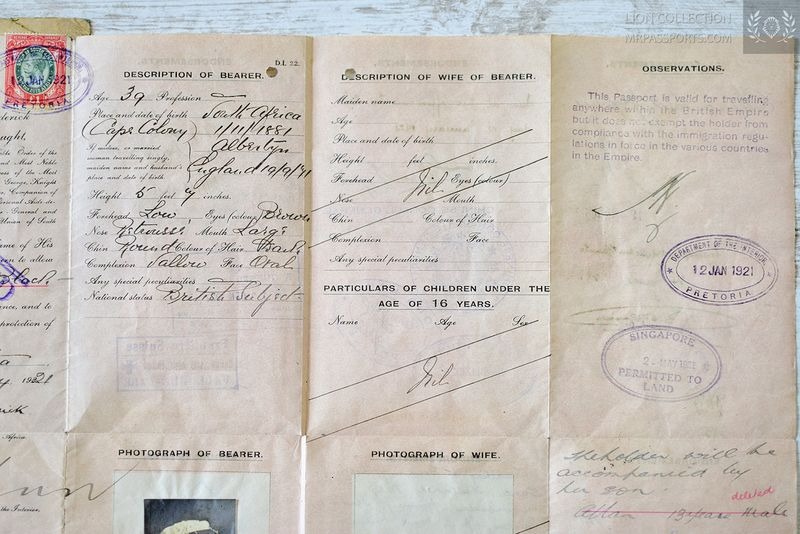
Nationality wording: Typically “British Subject” + “Union of South Africa.”
-
Language: English (sometimes bilingual with Dutch before Afrikaans fully replaced it).
-
Format:
-
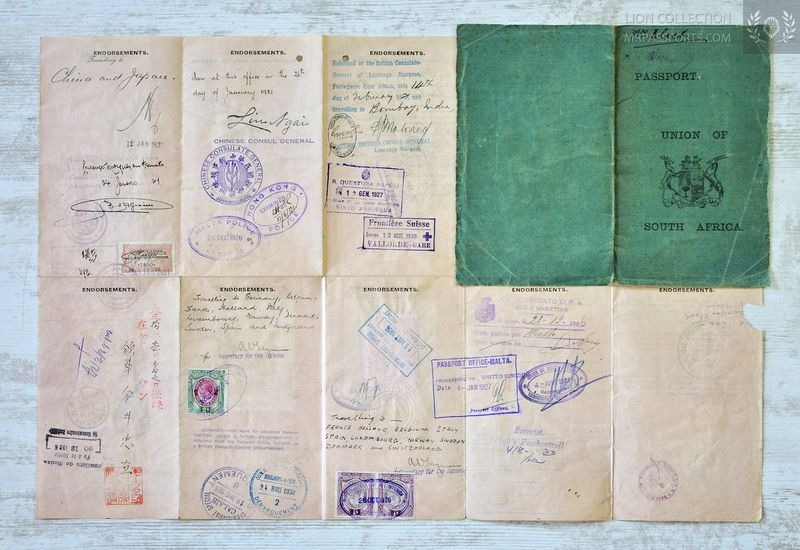
Dark cover, usually bearing the British royal coat of arms.
-
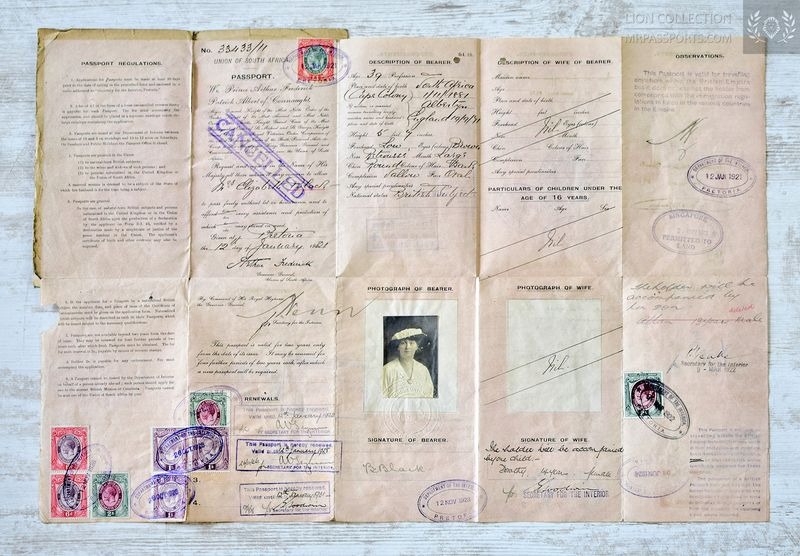
Early versions were single-sheet folded passports; by late 1920s, the book-type format was more common across the Commonwealth.
-
-
Validity: Often issued for 5 years, with renewals possible.
-
Primary Routes : South Africa passport for sale
Most travel occurred by ship, often from Cape Town, Durban, or Port Elizabeth.
Common European destinations:
-
United Kingdom (most frequent—commonwealth ties)
-
France
-
Netherlands
-
Germany
-
Italy
-
Portugal (especially via Mozambique links)
Typical Shipping Lines:
-
Union-Castle Line (dominant route to the UK)
-
Deutsche Ost-Afrika Linie
-
Lloyd Triestino
-
Holland–Africa Line
Visa Requirements
-
 British subjects typically had easier entry into the UK.
 -
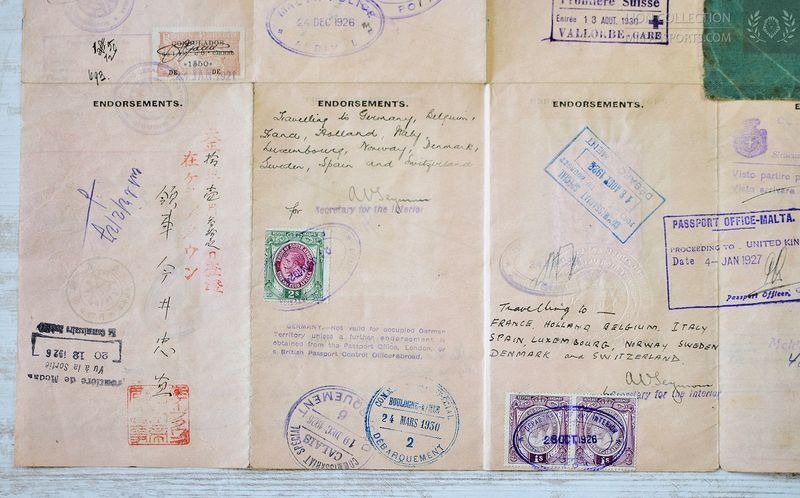
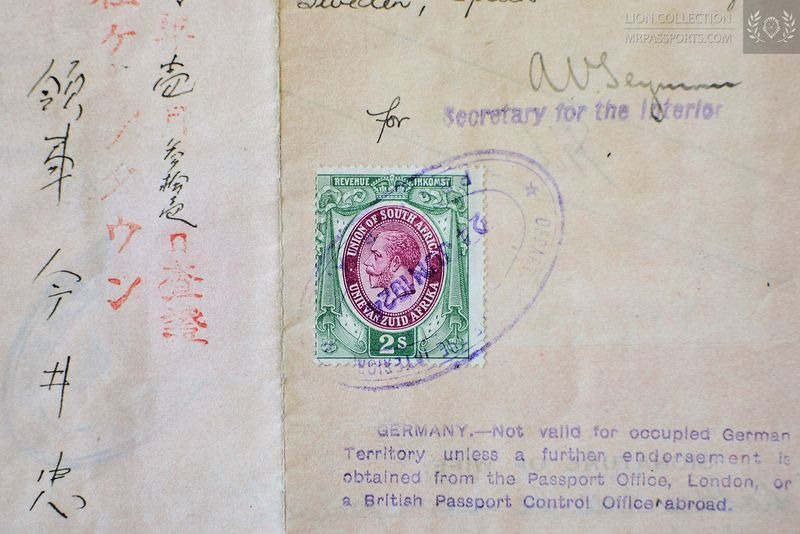
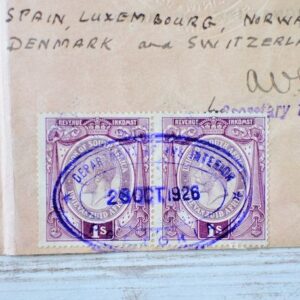
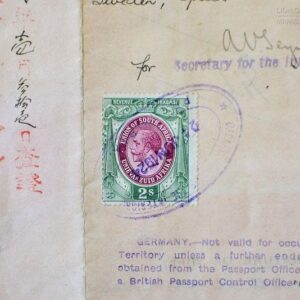
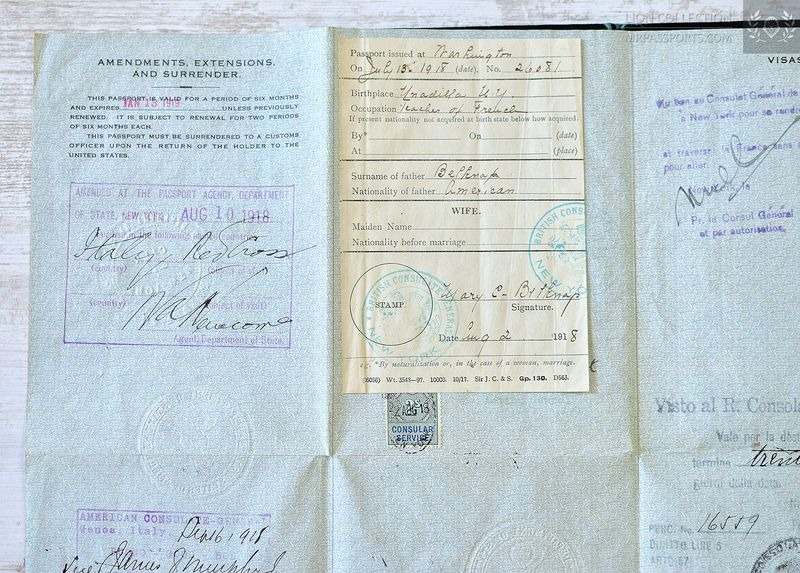
Continental European countries required visas, usually stamped in the passport.
-
Many passports from this era show multiple consular stamps from France, Italy, and Germany.
-
Related products
PASSPORTS
PASSPORTS
PASSPORTS
PASSPORTS
PASSPORTS
PASSPORTS
PASSPORTS
