

Buy Middle East pre-biometric passport
Buy Middle East pre-biometric passport, in the Middle East between 2005 and 2011 was a period of significant change, with countries adopting the new technology at different rates. A biometric passport contains an electronic chip that holds the passport holder’s personal data and biometric information, such as fingerprints, making it more secure and less susceptible to fraud.
General Trends in Passport Evolution
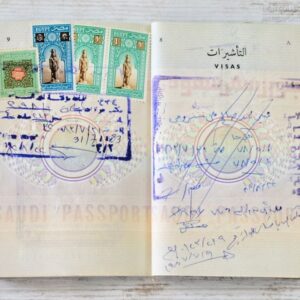
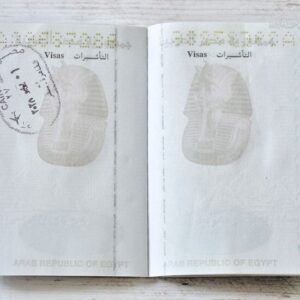
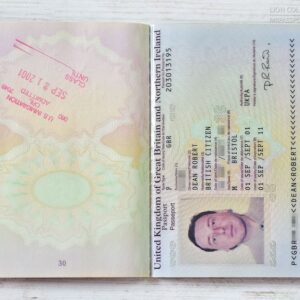
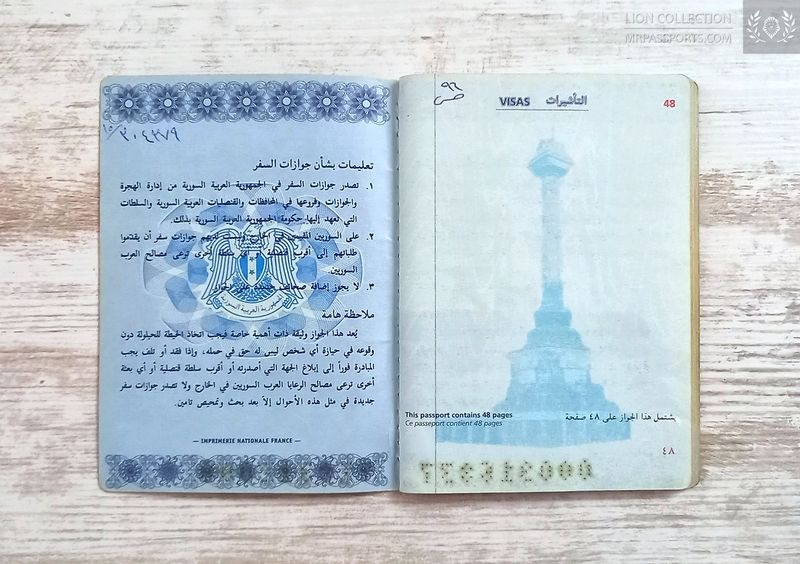
During the specified period, many Middle Eastern countries were still using traditional, non-biometric passports. These passports typically included a photograph and personal information of the holder, but lacked the advanced security features of biometric passports.
United Arab Emirates (UAE); Buy Middle East pre-biometric passport
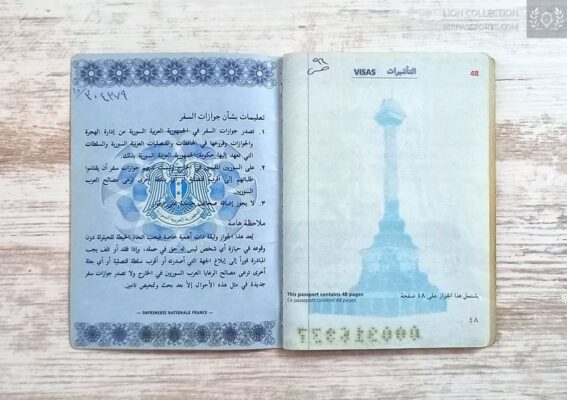
The UAE began issuing machine-readable, electronic passports to its nationals in 2011, in compliance with the International Civil Aviation Organization (ICAO) standards. These electronic passports incorporated a remote-readable electronic chip on the last page, storing the passport holder’s personal and biometric data, with encrypted security measures to prevent counterfeiting. Prior to 2011, the UAE issued passports that did not have these biometric features.
Iran
Iran started issuing diplomatic and service biometric passports in July 2007. Ordinary biometric passports were introduced on February 20, 2011. Thus, Iranian passports issued between 2005 and 2007 would not have been biometric.
Libya
After the 2011 civil war, Libya started working on a newer, blue passport, which was the first machine-readable passport (MRP) introduced in 2014. The color of the passport is blue and features a star and crescent, an emblem on the current flag and symbol of Islam.
It is important to note that the specific features and designs of passports varied from country to country. Some countries may have introduced machine-readable features before fully adopting biometric technology. The global push for enhanced security measures, driven by organizations such as ICAO, influenced the transition to biometric passports.