Japan driving licence 4sale
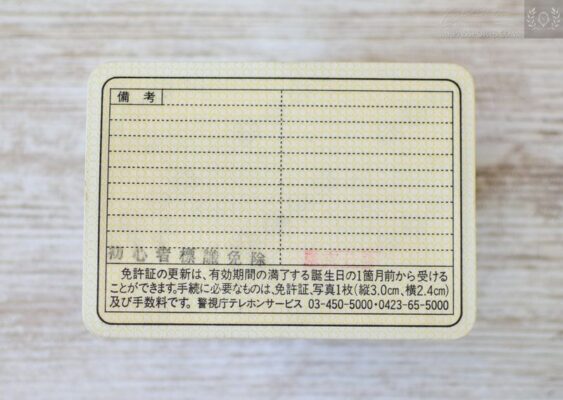
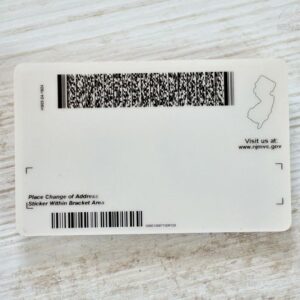
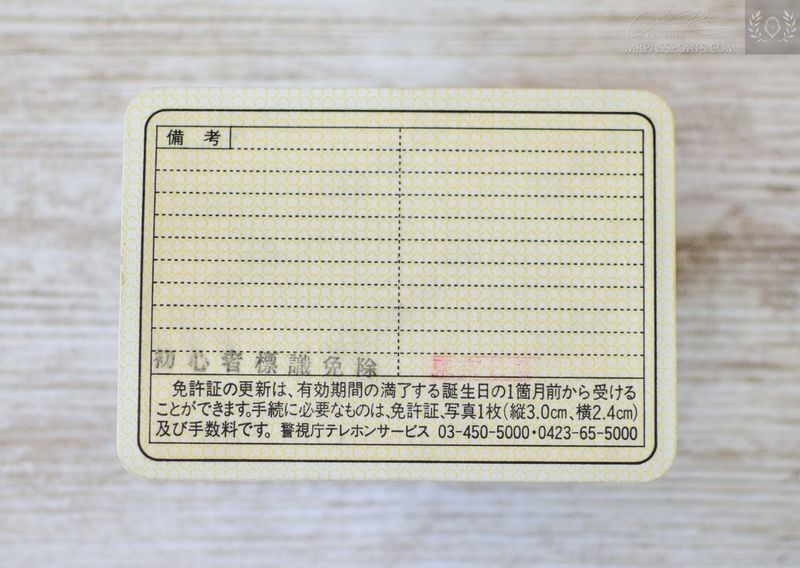
Japan driving licence 4sale ,is required to operate a car, motorcycle, or moped on public roads. These licenses are issued by the public safety commissions of the prefectural governments and are managed nationwide by the National Police Agency. Japanese licenses are categorized by both the driver’s experience level and the type of vehicle they are authorized to operate.
Types of Licenses in Japan
Licenses in Japan are divided into classes and categories.
Classes
- Provisional License: This is for new drivers undergoing training for a Class 1 license. They must display learner plates and be accompanied by an experienced Class 1 license holder. This license expires if a Class 1 license isn’t obtained within six months.
- Class 1 License: This is the standard license for operating a private car.
- Class 2 License: This is required for operating commercial passenger vehicles like taxis or buses. Applicants must be at least 21 years old and have three years of experience driving under a Class 1 ordinary vehicle/heavy special vehicle license. This requirement is relaxed to two years for members of the Japan Self-Defense Forces.
Categories; Japan driving licence 4sale
- Large Vehicle: Weighs 11,000 kg or more, has a maximum capacity of 6,500 kg or more, or carries 30 or more people, excluding special vehicles, motorcycles, or mopeds.
- Medium Vehicle: Weighs between 7,500 kg and 11,000 kg, has a maximum capacity between 4,500 kg and 7,500 kg, or carries 11 to 29 people, excluding heavy vehicles, special vehicles, motorcycles, or mopeds.
- Semi-Medium Vehicle: Weighs between 3,500 kg and 7,500 kg, has a maximum capacity between 2,000 kg and 4,500 kg, excluding heavy vehicles, medium vehicles, special vehicles, motorcycles, or mopeds.
- Ordinary Vehicle: Any motorized vehicle not classified as a heavy, medium, or semi-medium vehicle, special vehicle, motorcycle, or moped.
- Large Special Vehicle: Specialized equipment like tractors or cranes used for specific work, excluding small special vehicles.
- Small Special Vehicle: Specialized equipment with a maximum speed of 15 km/h and no larger than 4.7 m × 1.7 m × 2.8 m.
- Unrestricted Motorcycle: Any motorcycle, including those with a sidecar, exceeding 20 kW (400 cc engine displacement), and not classified as a special vehicle.
- Ordinary Motorcycle: Any motorcycle, including those with a sidecar, not classified as a special vehicle, heavy motorcycle, or moped.
- Moped: Any motorcycle with a power of 0.6 kW or less (50 cc or less engine displacement), or a motorized quadricycle no larger than 2.5 m x 1.3 m x 2.0 m with a power of 0.25kW or less (20 cc or less engine displacement).
A “restricted to automatic” license can be issued for ordinary vehicles (including Class 2 licenses), ordinary motorcycles, and heavy motorcycle license classes. A “restricted to small motorcycle” license (1.0 kW / 125 cc or less) can be issued for the ordinary motorcycle license class and can be issued along with the “restricted to automatic” license.
Obtaining a License
To obtain a Japanese driver’s license, learners have two options :- Attend a designated driving school, where graduates are exempt from the practical examination but must pass the written examination.
- Attend a non-designated driving school or practice independently, requiring them to pass both practical and written exams.
The Japanese driving examination includes a written and a practical test for each license level. Most individuals attend a driving school before taking these exams, although it is not mandatory. Completing a course at a non-designated driving school requires registering for examinations in the prefecture of residence. The practical exam involves driving a vehicle through a designed course while adhering to traffic laws.
Converting a Foreign License
Japan allows residents with foreign driving licenses to convert them to Japanese licenses through an abbreviated process. This includes an eyesight test and, depending on the issuing country, may require a written and practical examination.