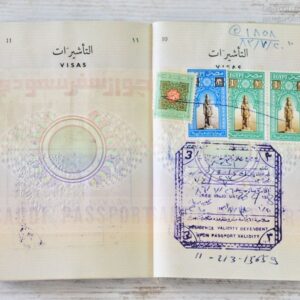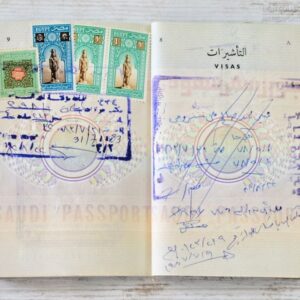
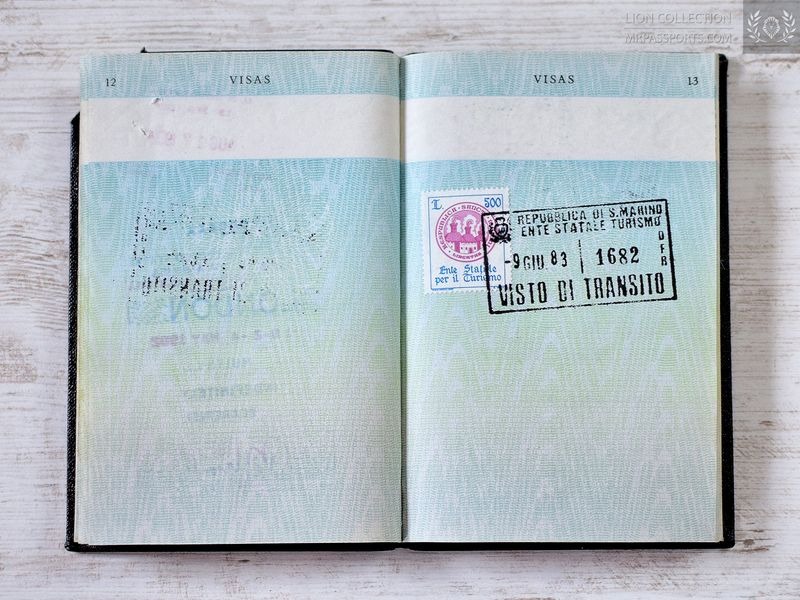
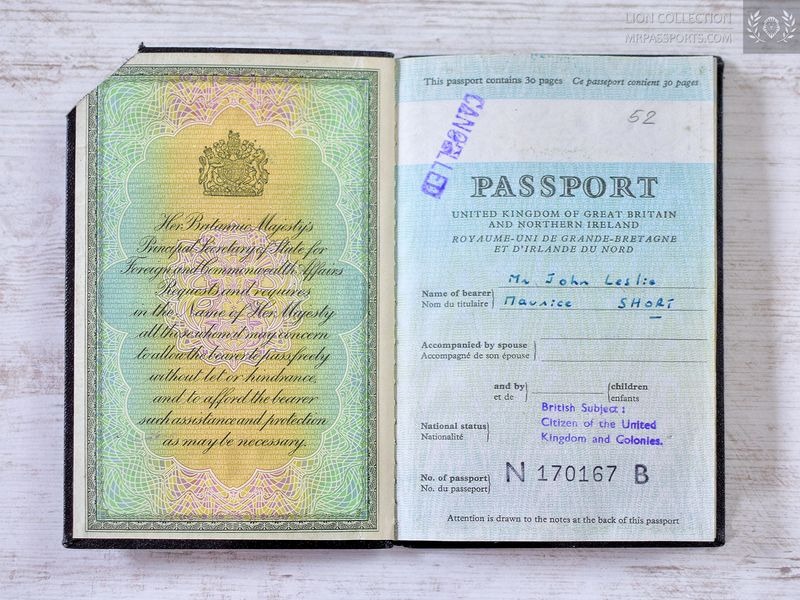
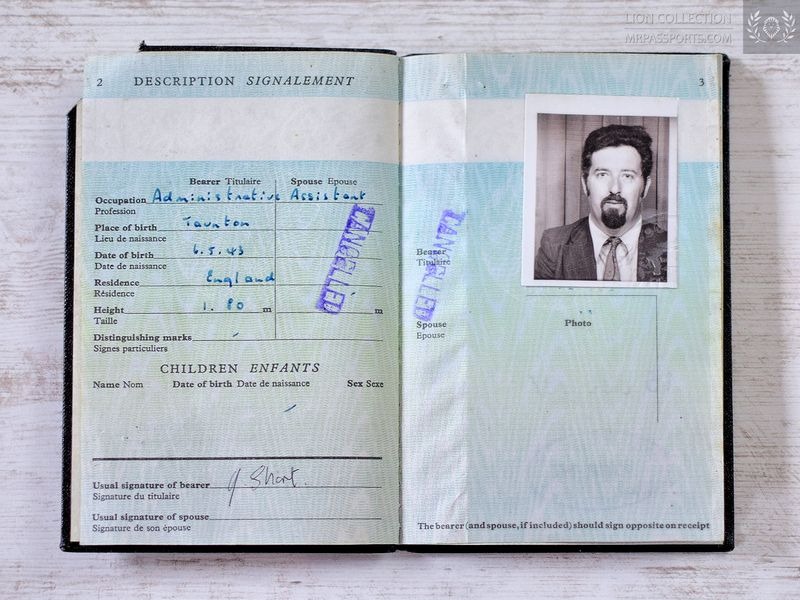
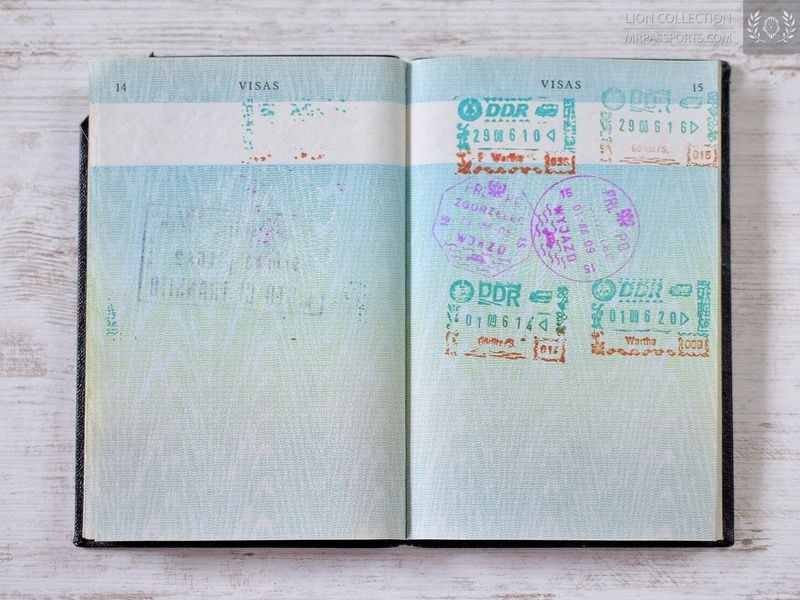
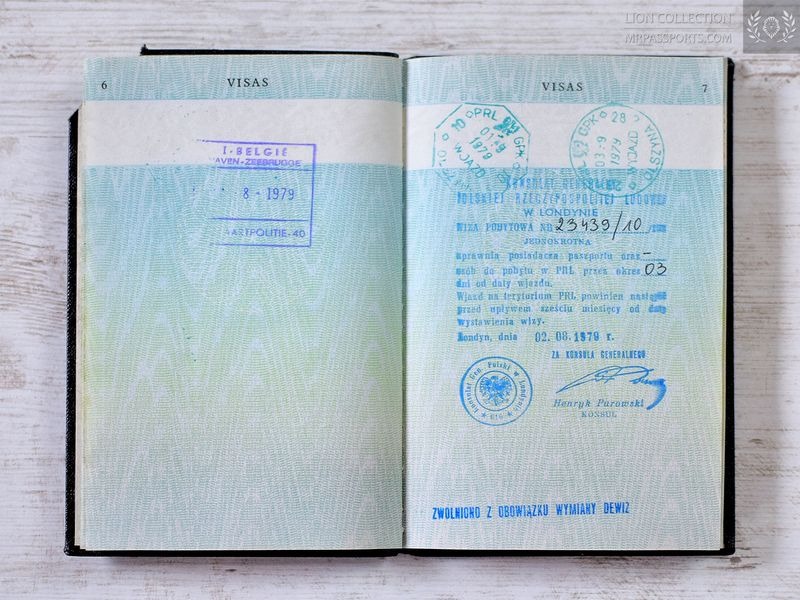
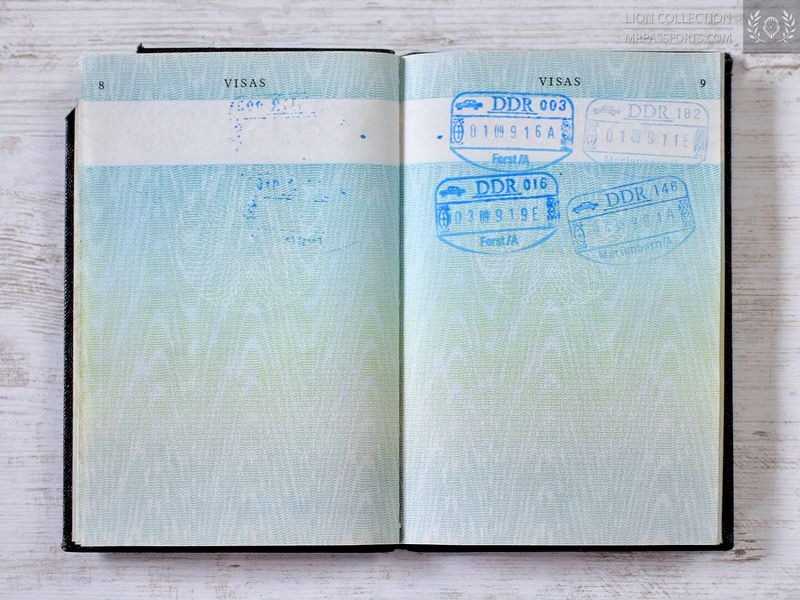
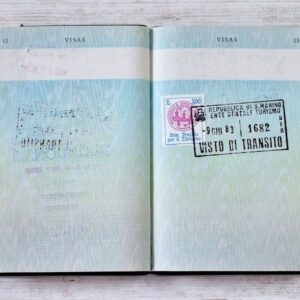
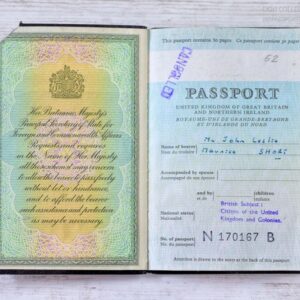
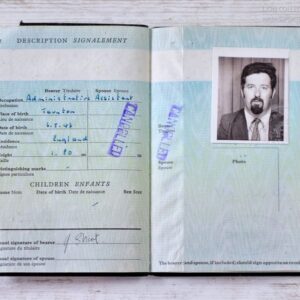

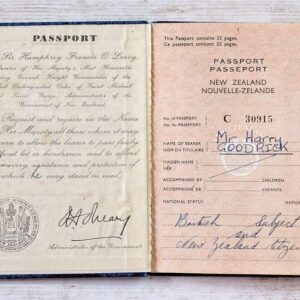
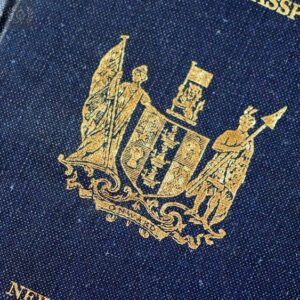
A United Kingdom passport issued between 1977 and 1987, used for travel during the Cold War era, would have had specific characteristics and implications due to the geopolitical context of the time.
Passport Design and Features
- Color and Format: During this period, British passports were dark blue. In 1988, the UK adopted the burgundy-colored, machine-readable passport in line with the European Economic Community (EEC) standards.
- Cover Markings: The passport cover would have featured the Royal Coat of Arms, with the words “British Passport” above and “United Kingdom of Great Britain and Northern Ireland” below.
- Personal Information: The passport included a photograph of the holder, their signature, and personal details such as name, date of birth, and place of birth. Laminated photographs were introduced as a security feature in 1975.
- Validity: UK passports were generally issued with a validity of ten years.
Travel Considerations During the Cold War
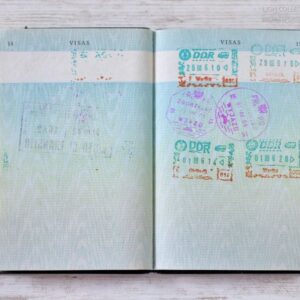
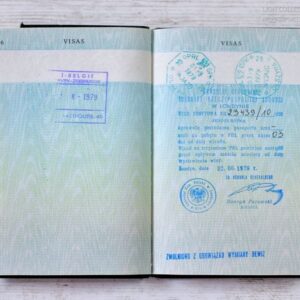
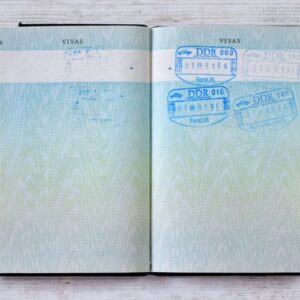
- Restrictions and Visas: Traveling to countries within the Eastern Bloc during the Cold War often required visas and could be subject to certain restrictions.
- Exchange Controls: Some countries had currency restrictions, and travelers might have needed to declare the amount of currency they were carrying. The “Exchange Control Act 1947” was relevant in this context, regulating foreign exchange facilities for travelers.
- Political Climate: The political climate of the Cold War could affect travel, with increased scrutiny at border crossings and potential for diplomatic tensions.
- Destinations: Travel to certain regions might have been influenced by the broader geopolitical strategies and alliances of the time. For instance, travel to Cyprus or Bulgaria might have been more common or subject to specific regulations